Languages
- Departments
- Policy
- Programme status
- Ongoing
- Programmes
- Teaching and Education
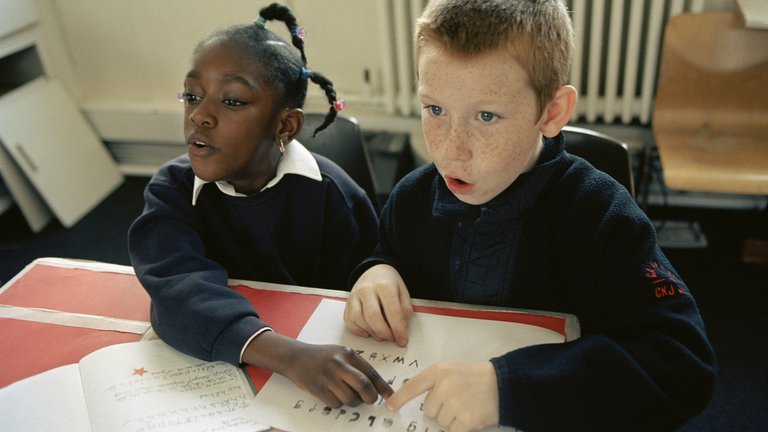
Languages are strategically vital for the future of the UK, which has the potential to become a linguistic powerhouse. If it did, it would be more prosperous, productive, influential, innovative, knowledgeable, culturally richer, socially cohesive and, quite literally, healthier. Having competence in more than one language gives individuals windows onto other worlds, broadens mental horizons and makes them more likely to be curious and respectful when encountering other cultures and languages.
But there is overwhelming evidence of an inadequate, longstanding and worsening supply of the language skills needed by the UK to meet the needs of society, the economy, business and future research. Taking the UK as a whole, the numbers of students studying a language (other than compulsory English or Welsh) at GCSE and A Level at school and to degree level at university is, despite minor fluctuations, very low compared even with the start of this century. There is also an ongoing disconnect between mainstream education and community-based language learning of ‘heritage languages’, such as Polish, Urdu, Turkish and Arabic.
The British Academy’s languages programme aims to monitor trends in languages education provision and mobilise expertise to inform debate about languages in education and society.
Publications
Language Skills and Capabilities in the UK Research Base
The Turing Scheme: understanding impacts and implications
Languages Provision in UK Further Education

Visas for Language Assistants and Lectors
Languages Learning in Higher Education: Granular Trends
What Works: Languages Mentoring and Ambassador Programmes
The Importance of Languages in Global Context: An International Call to Action
Towards a National Languages Strategy: Education and Skills
Languages in the UK: a call for action
Cognitive Benefits of Language Learning: Findings and Implications
British Academy Briefing: On Languages
Born Global

Lost for Words: The Need for Languages in UK Diplomacy and Security
Languages: the State of the Nation
Languages: the State of the Nation (Summary Report)
Consultation responses
30 September 2021: Budget for Languages
17 May 2021: GCSE qualifications in modern foreign languages: Cultural learning - proposal to replace themes
2 February 2007: Dearing Review of Language Policy - Response to the Consultation
21 November 2006: Dearing Review of Language Policy - Response to the announcement of the Review