SHAPE Conference 2026
Overview
SHAPE conference 2026: Fuel for thought brings together a diverse range of voices for lively discussion and debate on the big questions affecting SHAPE in higher education and research. Expect bold ideas, fresh perspectives and plenty of opportunities to share your own insights.
Throughout the day, we'll unpack the impact of a year of major policy announcements, explore issues affecting the health of the sector, and tackle how we can champion the value and impact of SHAPE subjects.
Learn about the speakers at this year's conference below.
Keynote: SHAPE Room 09:30-10:00
Lord Vallance
Lord Vallance KCB FRS FMedSci FRCP HonFREng was appointed Minister for Science, Innovation, Research and Nuclear in the Department for Science, Innovation and Technology (DSIT) and the Department for Energy Security and Net Zero (DESNZ) on 6 September 2025.
He was previously Minister for Science in DSIT from 5 July 2024 to 6 September 2025.
He was Government Chief Scientific Adviser (GCSA) from April 2018 to April 2023 as well as National Technology Adviser (NTA) and Head of the Government Science and Engineering (GSE) Profession.
Learning from our own history: SHAPE Room 10:00-11:15
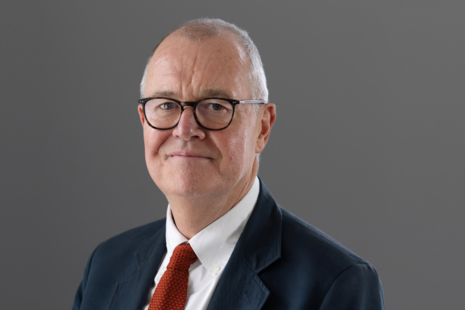
Hetan Shah is chief executive at the British Academy, the UK’s national academy for humanities and social sciences. He is Chair of Our World in Data, which brings together research and data to make progress against the world’s largest problems. Hetan was appointed in 2024 by the UK Parliament to the board of the National Audit Office, the UK’s independent spending watchdog. He is Visiting Professor at the Policy Institute, King’s College London and a Fellow at Birkbeck, University of London. Hetan serves on a number of advisory boards, including the UCL Policy Lab and the Resolution Foundation.
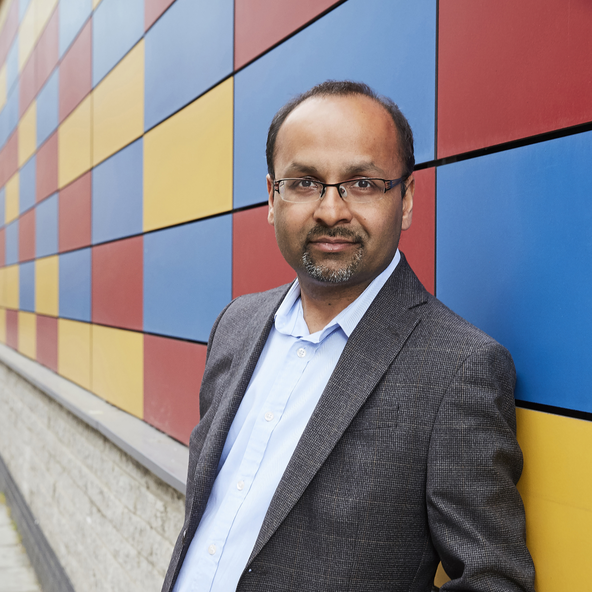
Sir Philip Augar read History at Clare College, Cambridge and completed his PhD there in 1978. He is a former fellow and bursar of St Catharine’s College, Cambridge. After a career in banking, he has been speaking, writing and broadcasting about the challenges of modern capitalism for over twenty five years. He has written seven books and contributes to the Financial Times and the BBC. Sir Philip has held a number of advisory and non-executive roles in the public and private sectors including board memberships at the Department for Education and the Home Office. He chaired the panel reviewing post-18 education for the UK government in 2018-19. He was knighted in 2021.
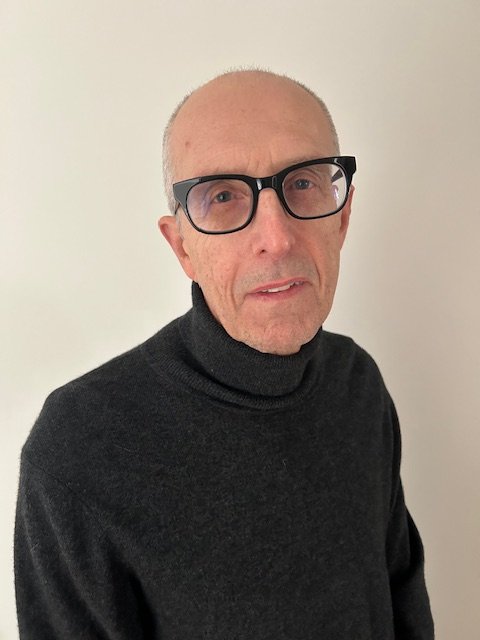
Dame Shirley Pearce has an academic career in health psychology and has held senior executive and non-executive experience in health, higher education and commercial settings. These roles include being Vice Chancellor at Loughborough University, an independent member of the Board of Governors for the University of Cambridge and Chair of Governors at LSE. She was appointed by the Home Secretary as the inaugural chair of the College of Policing and by the Secretary of State for Education as the Independent Reviewer of the Teaching Excellence Framework which she presented to Parliament in 2019. A clinical psychologist by profession, she has held clinical as well as management roles in NHS and university settings. Currently she is a Non-executive Director of the Unite Group plc, a provider of student accommodation, where she chairs the Sustainability Committee. She is also a trustee of the London Academy of Music and Dramatic Art and a member of the Singapore Quality Assurance Panel for Higher Education.
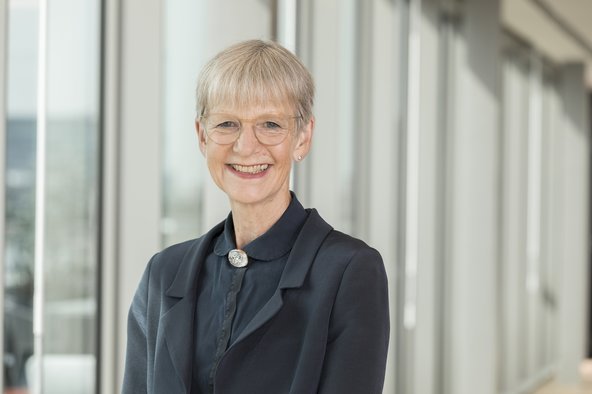
Vivienne Stern became Universities UK Chief Executive in September 2022, having previously been Director of Universities UK International. Vivienne has over 25 years’ experience of working in higher education policy and politics at an international level. She is a member of several UK government advisory groups, including the Soft Power Council and is Deputy Chair of the Council for At Risk Academics. She was awarded an MBE for Services to International Education in 2022. Vivienne graduated from the University of Cambridge where she studied English Literature.

Professor Adam Tickell became Vice-Chancellor of the University of Birmingham in January 2022 after five years as Vice-Chancellor at the University of Sussex. Before this, he held posts as Pro-Vice-Chancellor (Research and Knowledge Transfer) and then Provost and Vice-Principal at Birmingham, and he has also worked in leadership roles at the University of Bristol and Royal Holloway, University of London. Adam has served on a wide range of public bodies and charity boards. He is currently on the Board of Universities Superannuation Scheme Limited and is a non-executive director for the Department for Science, Innovation and Technology.
Precarity then and now: Lecture Room 10:00-11:15
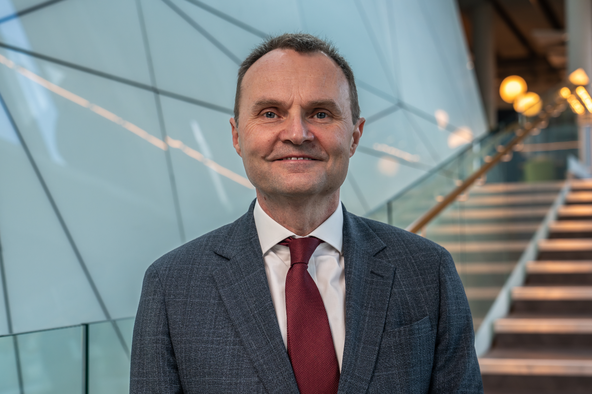
Evelyn Welch became Vice-Chancellor and President of the University of Bristol in September 2022. She graduated from Harvard University, receiving her PhD from the Warburg Institute, University of London. Her research interests are in questions of innovation, value and creativity in Renaissance and Early Modern Europe and recently completed a Wellcome Trust Senior Investigator Award which has resulted in the open-access monograph, 'Renaissance Skin' (Manchester University Press, 2025). Evelyn is the author of numerous other publications, including 'Fashioning the Early Modern: Creativity and Innovation in Europe, 1500-1800' (OUP 2017), and 'Shopping in the Renaissance' (Yale 2005), winning the Wolfson Prize for History. In her current role as University President, she is navigating the complexities of the responsible use of AI, freedom of speech, political engagement and the need to continually demonstrate the value of higher education in the United Kingdom as well as globally.
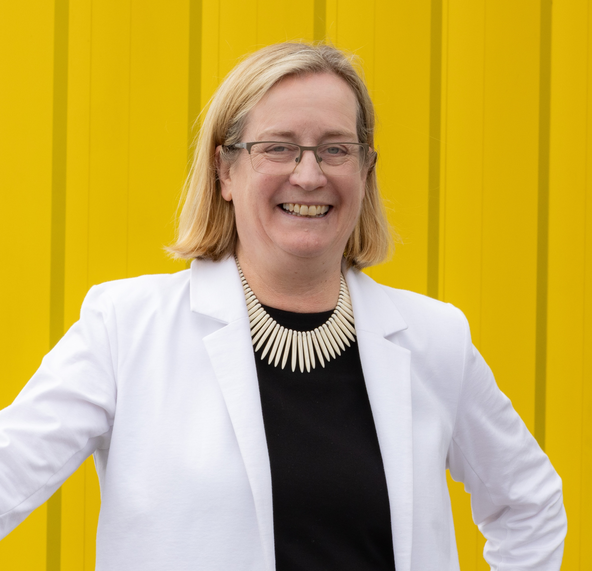
Dr William Allen is a Lecturer in Political Science in the Department of Politics and International Relations at the University of Southampton. He examines how people engage with economic and political information, particularly on migration and conveyed through media, and what this means for global attitudes and policymaking. During 2026, he is undertaking a Digital Democracy Centre/TrygFonden Fellowship at Southern Denmark University on ‘Data Visualization for Democracy’. Will is a Deputy Editor of Migration Studies, a Fellow of the UK Young Academy, and a mentor for professional bodies like the European Political Science Society and American Political Science Association. He holds a DPhil in Politics from the University of Oxford, and is an Associate Member of Nuffield College. Previously, he was a British Academy Postdoctoral Fellow (2021-24) and a Fellow by Examination (Junior Research Fellow) in Political and Development Studies at Magdalen College Oxford (2018-20).
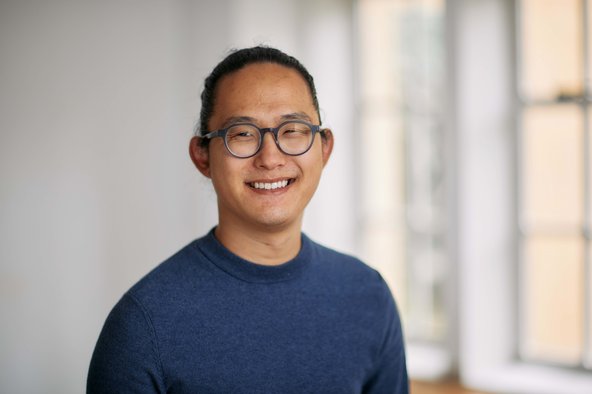
Professor Mike Braddick is a Senior Research Fellow at All Souls College, Oxford and was elected as a Fellow of the British Academy in 2013. He was a British Academy Postdoctoral Research Fellow at Sheffield University in the early 1990s from which position he was appointed to a permanent lectureship, and eventually worked at Sheffield for 34 years. He works on early modern history, particularly the social, economic and political history of England and other territories of the Stuart Crown. His recent publications include The common freedom of the people: John Lilburne and the English Revolution (2018) and Christopher Hill: the life of a radical historian (2025) and is at work on a history of the English republic provisionally titled England’s Freedom: politics and society without a king, 1649-1660. He is also PI on an AHRC-funded project on ’The politics of the English grain trade, 1315-1815’.
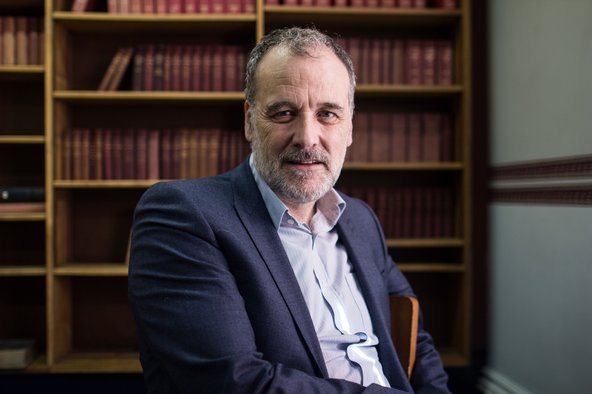
Dr Daisy Ogembo is a Research Fellow at the International Centre for Tax and Development, based at the Institute of Development Studies. Using an interdisciplinary approach, her research focuses on the taxation of hard-to-tax groups, constitutional issues in taxation, and the digitalisation of tax systems. She earned her DPhil from the University of Oxford and has received several prestigious awards, including the British Academy Postdoctoral Research Fellowship and the Harvey Fellowship. Prior to joining ICTD, Daisy was an Assistant Professor of Law at the University of Birmingham. Her current research includes completing a monograph on taxation and transformative constitutionalism, examining legal and governance frameworks governing data exchange in the context of Digital Public Infrastructure (DPI) for tax administration, and expanding her work on higher-income earners in the informal sector.
What's on the horizon for international collaboration?: Wohl Gallery 10:00-11:15
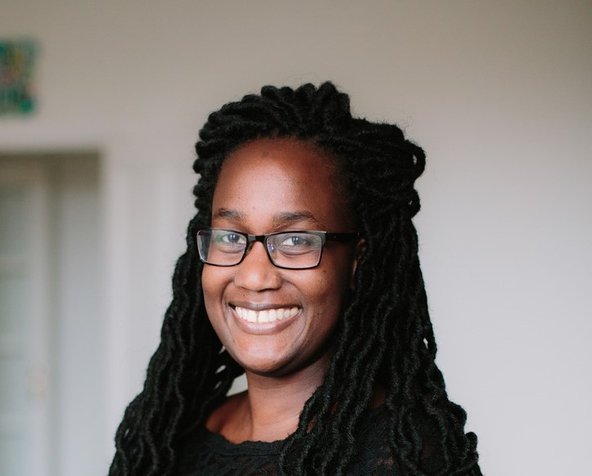
Professor Harriet Bulkeley OBE FBA (Durham University, Utrecht University) is known for her pioneering work on the politics and governance of climate change, nature and just transitions. A leading expert on cities, Harriet has led international, interdisciplinary teams working on these topics and currently convenes the Horizon Europe NATURESCAPES project (2023 – 2027) examining how nature-based solutions can contribute to biodiversity, climate change and social justice across urban regions globally. Harriet has provided expert advice and undertaken commissioned research for national governments, the EU, UN Agencies, the OECD and the World Bank. She currently serves on the Social Sciences Advisory Group for the DEFRA and is a Lead Author of the IPCC Special Report on Cities. Harriet is a member of the ERC Scientific Council, holds an honorary degree from Lund University and is a Fellow of the British Academy, American Academy of Arts and Sciences, and Academia Europea.
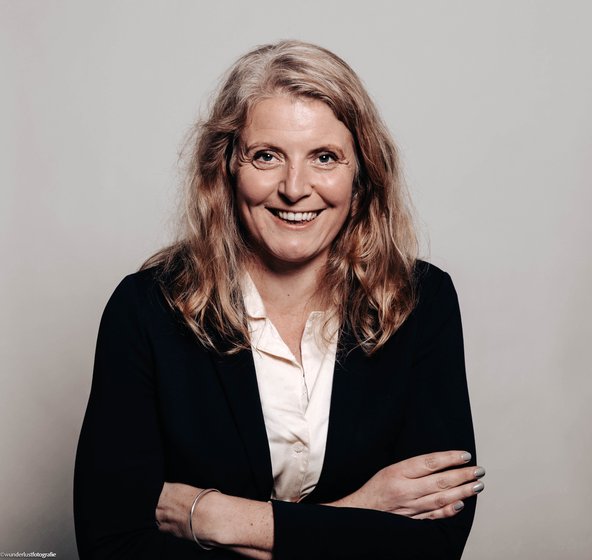
Marie Adams is Head of Research and Partnership Development at the University of Leicester where she leads a team that support the development of high-quality research proposals across a diverse portfolio of funders, with a particular focus on SHAPE disciplines. She has over 20 years' experience of European Commission Framework Programme research, from FP5 through to Horizon Europe. In her current role, Marie works in partnership with academic research leaders to shape strategic priorities and provide the research community with the opportunities, intelligence and resources needed to deliver research that really matters.
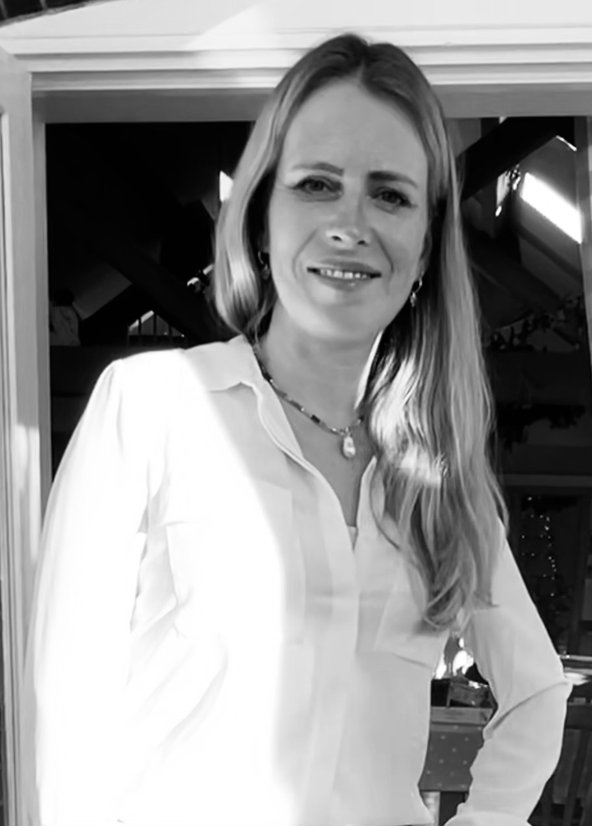
Philip is Head of Global Strategy, Policy & Engagement at the British Academy where he leads on the Academy’s international strategy, policy, and engagement activities, with particular focus on the Academy’s international policy programmes, engagements, and challenge-oriented funding programmes. He works to amplify the Academy’s international role, value and presence in high-level debates, inform and influence policy making through expert analysis, and build and strengthen the Academy’s international engagement and partnerships. He has also had significant engagement with EU Framework Programmes for Research & Innovation since joining the Academy in 2012, including most recently working on the UK’s association to and now boosting participation in Horizon Europe. Before joining the British Academy, he worked in the European Parliament and the UK House of Lords focused on foreign affairs.
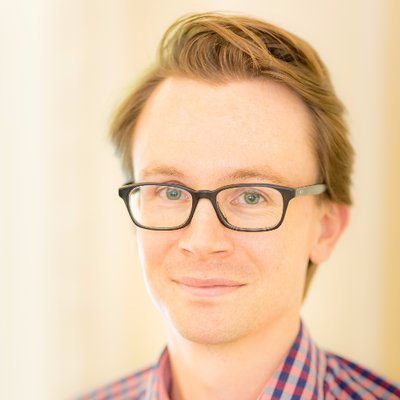
Professor Christopher Smith is the Executive Chair of the Arts and Humanities Research Council (AHRC) and International Champion for UK Research and Innovation (UKRI). He has been Professor of Ancient History at the University of St Andrews since 2002, and he was also Vice-Principal (2007-2009), before being seconded as Director of the British School at Rome, the UK’s leading humanities and creative arts research institute overseas, from 2009 to 2017. He was recently appointed as the Chair of the Board of the National Library of Scotland (NLS). He is the author or editor of over 20 books from textual editions to museum studies. He is a Fellow of the Royal Society of Arts and a Member of the Academia Europaea.
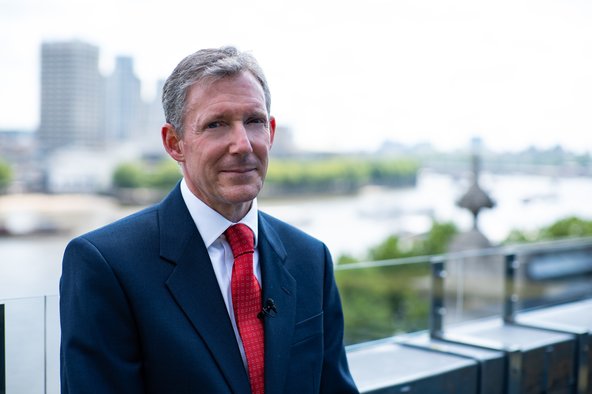
Martin Smith is Head of Policy Lab at Wellcome, which aims to bring creativity and innovation to Wellcome’s policy products and processes. He is responsible for external research policy issues relating to Wellcome’s investment in discovery research. He joined Wellcome in 2019 and worked on issues relating to R&D in the context of Brexit - at the height of the deal-or-no-deal political stand-offs. This has led to a special interest in UK participation in framework programmes, in the broader context of supporting global research collaboration to tackle the world's biggest health challenges.
Before joining Wellcome, Martin worked as a Specialist for the House of Commons Science and Technology Committee, and has worked at a range of science learned societies including the Royal Society, the British Ecological Society and the London Mathematical Society.

Do the right number of people go to university?: SHAPE Room 11.35-12:30
Margot Finn is Professor of Modern British History at UCL and Vice President (Research and Higher Education Policy) at the British Academy. Finn has previously served as President of the Royal Historical Society and editor of the Journal of British Studies. She is a co-editor of Cambridge University Press’s Modern British Histories monograph series, chairs the Institute of Historical Research’s Advisory Council and is a trustee of the Migration Museum. Finn’s early publications focused on nineteenth-century British radical culture and politics in a broader European context. Her second major monograph explored the intersections of literary, legal, social and cultural developments in the history of debt and credit in eighteenth- and nineteenth-century Britain, with particular attention to the histories of courts, prisons and women. Formerly the PI of a major Leverhulme Trust project on ‘The East India Company at Home’, she is now completing a monograph on the family and the East India Company, interrogating the ways in which demographic regimes were conducive to colonialism, the means by which property (including material objects) created and strengthened transnational kinship ties and the salience of racialized dynastic concepts in British imperial thinking. Finn takes an active interest in open access policy developments and their implications for Humanities and Social Science research.
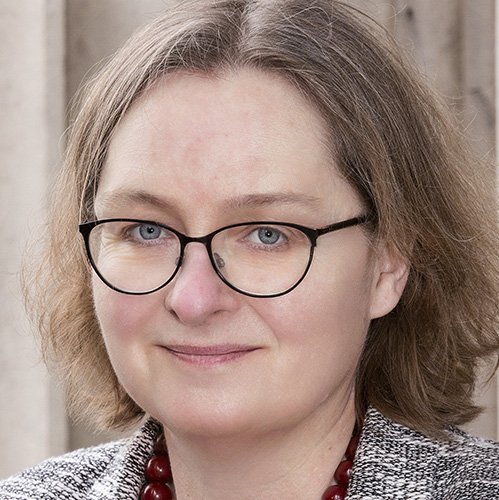
Jess is a Director within the Education Practice and leads Public First’s higher education work both in the UK and internationally. She has written extensively about higher education policy for Wonkhe, Times Higher, and Research Professional. Before joining Public First she held multiple roles at the University of Cambridge, helping the university respond to regional, national, and international policy developments and advising senior leaders on political strategy.

Andy Westwood is a Professor of Public Policy, Government and Business and a director of the Productivity Institute at the University of Manchester. He is also a governor at NIESR and a board member at Skills England. He has worked as an expert adviser to a range of organisations including the IMF, OECD, EU and the Economic Affairs Committee in the House of Lords. Previously he worked as a special adviser to UK ministers on innovation, education and skills during the last Labour government.
Is ‘responsible’ AI ever truly possible in research?: Lecture Room 11:35-12:30
Professor Christina Boswell FBA FAcSS FRSE is Vice President for Public Policy at The British Academy, and Professor of Politics at the University of Edinburgh. Her research analyses the use of research and expert knowledge in policymaking, with a particular focus on UK and European immigration policy. She has acted as advisor to the UN, OECD, European Commission, European Parliament and FCDO. She currently serves on the Home Office Scientific Advisory Council, and as Advisor to the UK Department for Science, Technology and Innovation on global research talent. She has extensive experience of research leadership, including as Pro-Vice Chancellor for Research and Enterprise at the University of Edinburgh.
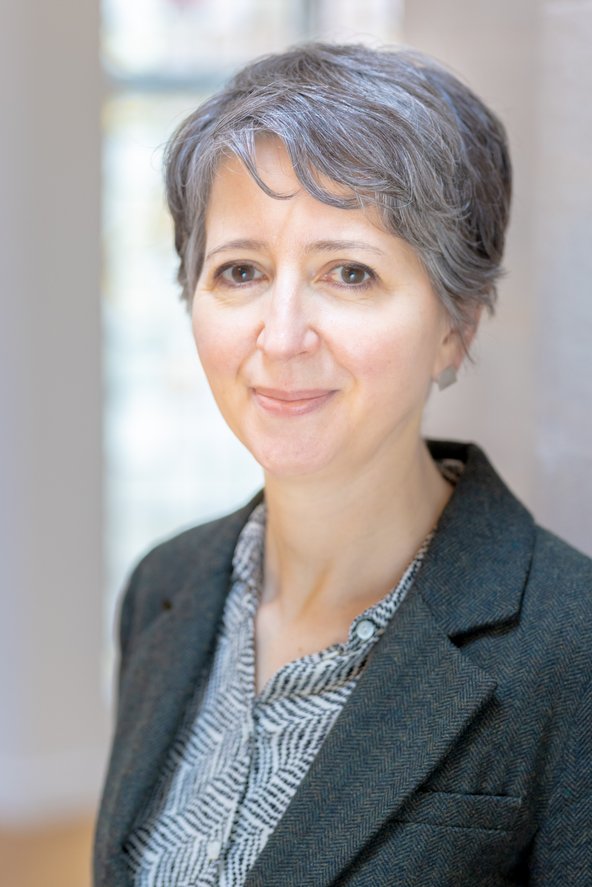
Oonagh Murphy is a Senior Lecturer in Digital Culture and Society at Goldsmiths, University of London. She is based within the Institute for Creative and Cultural Entrepreneurship, where her research focuses on the scalability of emerging technologies for museums, galleries and cultural organisations. She is Co-Founder of the Museums + AI Network, a Research Fellow at Arts Council England, and a Fellow at The Alan Turing Institute. She is also a member of the College of Experts at DCMS, and supports the development of evidence-based policy making that shapes policy and practice across the arts, heritage and tourism sectors

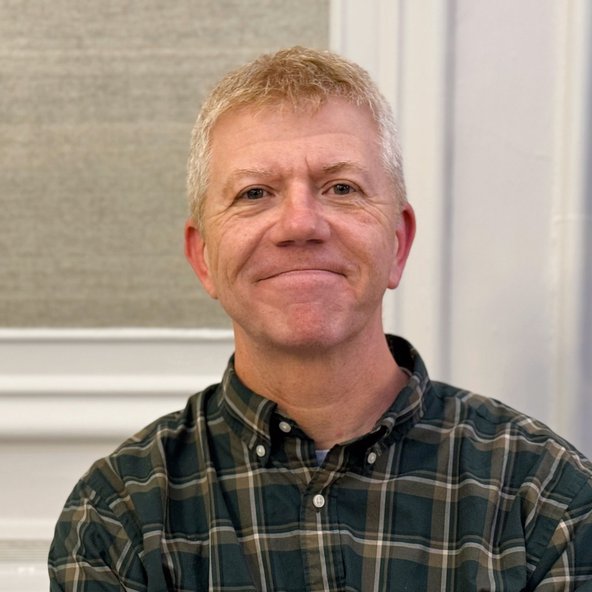
Tom Stoneham is Professor of Philosophy at the University of York. He has been Head of Department three times (2006-14, 2020-24) and inaugural Dean of the York Graduate Research School (2015-20). He is currently Ethics Lead and Co-Director of Training for the SAINTS Centre for Doctoral Training in Safe AI Systems, and Convenor of the MA in Applied Ethics and Governance of Data Privacy.
His research has spanned many areas, including early modern philosophy (he is currently President of the International Berkeley Society), self-knowledge, perception, dreaming, trauma-related experiences, time, and nothing. Tom is currently working on AI ethics and a non-perfectionist approach to normative theory.
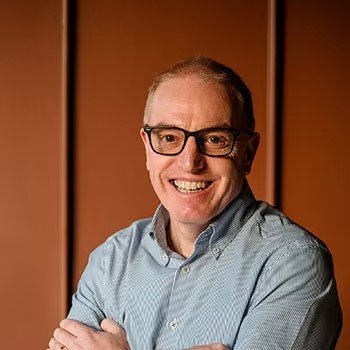
Myth busting for the public: SHAPE Room 13:30-14:15
Emma Cayley is Head of the School of Languages, Cultures and Societies, and Professor of Medieval French at the University of Leeds. Her appointments include considerable advocacy work on behalf of the sector as Chair of the University Council For Languages (2021–), and Co-Chair of the Arts and Humanities Alliance (2022-). She is an appointed expert on the REF2029 sub-panel for UoA26. She serves on the editorial board of Brill’s Faux Titre, Leeds Medieval Studies, and was co-editor of the journal French Studies from 2016-2021.

Dr Rita Gardner CBE FAcSS is a professional geographer (UCL graduate, DPhil Oxford) whose first career in academia (KCL and QMUL), has been followed by over 25 years of leadership, development and change management in the learned society sector. She is a former Director of the Royal Geographical Society – the only female director in the Society’s 196-year history - and, since 2019, Chief Executive of the Academy of Social Sciences. The Academy’s purpose is to ‘promote the social sciences in the UK for public benefit’ and to achieve that we work collaboratively with our 1700 outstanding Fellows, 46 member learned societies, our Campaign for Social Science supporters and many others. Rita is passionate about enhancing the public’s engagement with scholarship and applied social science, for the benefit of society, the academy and individual disciplines. She holds a CBE for ‘services to geography’ and a number of other awards and honorary doctorates.
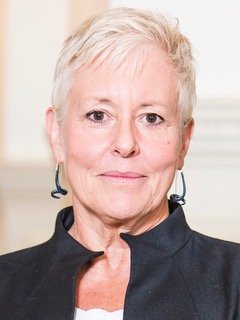
Seb has a long background working in communications roles in the public sector and regulated industries, including the London Fire Brigade and the Local Government Association. He joined Universities UK after spending a decade in senior communications roles in the rail industry. This included as Director of Communications for the Great British Railways Transition Team, where he influenced the policy of successive governments towards the biggest reforms to rail in a generation. Before this, he worked in a membership organisation acting as the voice of the railway on a range of operational and policy issues ranging from rail fares to train punctuality and reform of the sector.

Jennifer Richards, FBA, FEA, is English (2001) Chair, University of Cambridge, and Visiting Professor Newcastle University. She is Chair of the English Association. From 2023-2026 she led a science–humanities collaboration, funded by the Leverhulme Trust, Bee-ing Human. She is a General Editor of a new edition of Thomas Nashe forthcoming with Oxford University Press. Her latest book, Voices and Books in the English Renaissance: A New History of Reading, was published by Oxford in 2019. The Cambridge History of Rhetoric. Volume III: The Renaissance, which she co-edited with Virginia Cox, is forthcoming in 2027.
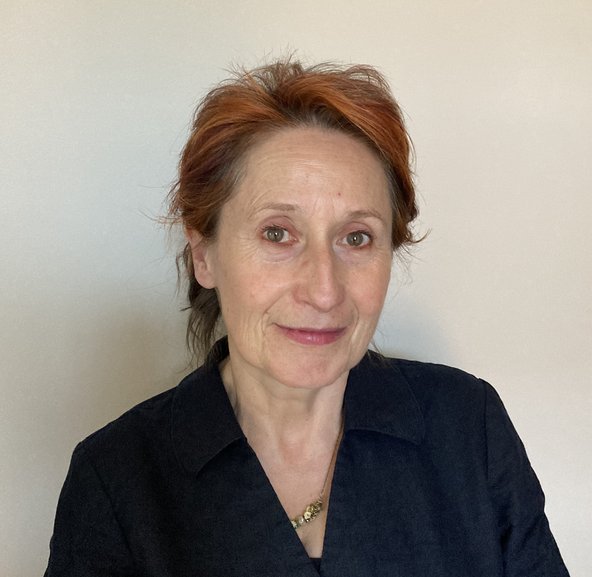
On the ground: stories of engagement: Lecture Room 13:30-14:15
Duncan Morrow is Director of Community Engagement and Professor in Politics at Ulster University. He works to grow and nurture the strategic relationship network of the University across the region as a central contribution to the University’s commitment to people, place and partnership. This entails building partnerships that make a difference to lives in Northern Ireland into the core activities of the University of teaching, learning and research as well as developing close relationships with important stakeholders in local communities, public bodies and regional and national institutions.
Duncan’s continuing academic interest in inter-community relationships and questions of social change, peace and reconciliation have shaped his career both within and beyond academia. He has written extensively on issues of conflict and peacebuilding and is a contributor to numerous international academic networks on peace and conflict.
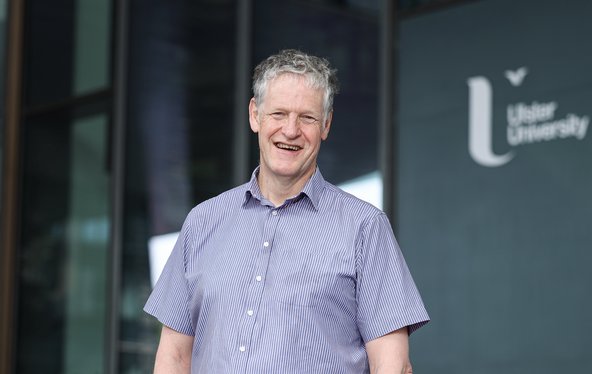
Professor Vanessa Toulmin is Director of City and Culture, Partnerships and Regional Engagement at the University of Sheffield. Her work on cultural vibrancy and the importance of heritage in regeneration is demonstrated in both Morecambe Winter Gardens a Grade II* Theatre in the Lancashire seaside resort and the partnership with Sheffield City Council on the Future High Street Fund for Fargate in Sheffield. With colleagues in the Urban Space Development and Dept of Music, Vanessa is tracking the impact of Covid-19 on the cultural industries in South Yorkshire and how they can recover. As Professor of Early Film and Popular Entertainment, she is the author of 11 books including four on Blackpool where she worked for 7 years as consultant on heritage regeneration for Blackpool Council.
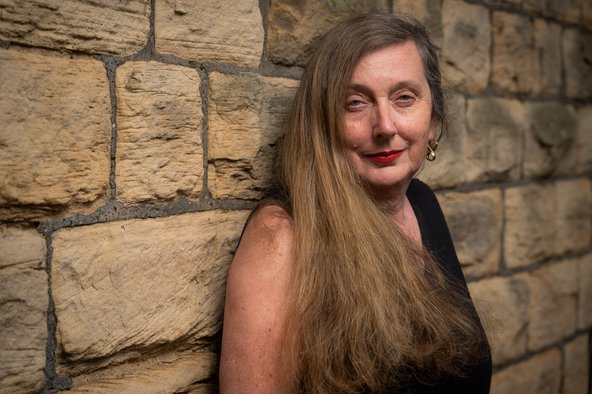
Professor David Worthington has served as Acting Dean of UHI’s Faculty of Arts, Humanities, Business and Education since August 2024. He is working to provide a sharpened strategic focus for the faculty while foregrounding and encouraging the efforts of our Associate Deans and their respective subject groupings. He is aiming to further strengthen existing relationships and collaboration across UHI, within our higher education, further education, research, and knowledge exchange communities, but engaged primarily in the tertiary tapestry in which these four areas interweave. With twenty-four years of experience in the university sector, David joined UHI as a lecturer at the Centre for History in 2008, becoming its head in 2011. In this substantive role, David has provided leadership and management for a diverse group of academics and professionals while remaining actively engaged in lecturing, supervision, student support, research, public engagement, and securing external funding.
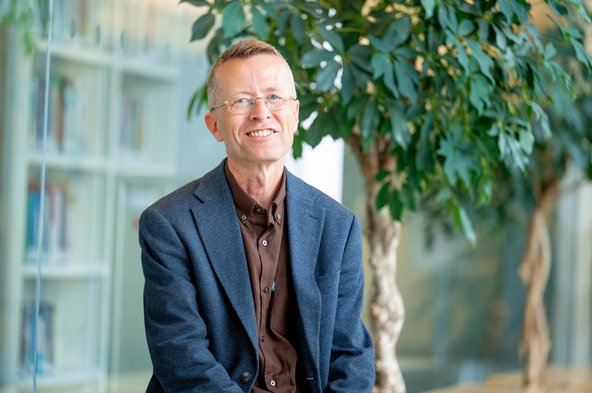
How do we change whose voices we hear in SHAPE research?: Lecture Room 14:20-15:40
Jaya is a freelance academic and ACCESS Senior Research Fellow at the University of Exeter. Her work focuses on social justice and environmental issues, supporting efforts to build a fairer, more sustainable world by focusing on how power, inequality and structural injustice play out in everyday life. Jaya started her career in the third sector, where she worked closely with marginalised communities affected by poverty, racism and exclusion which has informed her academic work. Jaya takes a decolonial feminist ethnographic approach that carefully considers power, positionality, accountability, and responsibility throughout the research process. Drawing on feminist and decolonial traditions, Jaya engages with communities not as subjects of study, but as co-creators of knowledge. Jaya’s work challenges extractive and hierarchical models of research by centring lived experience, story, emotion, and embodiment.
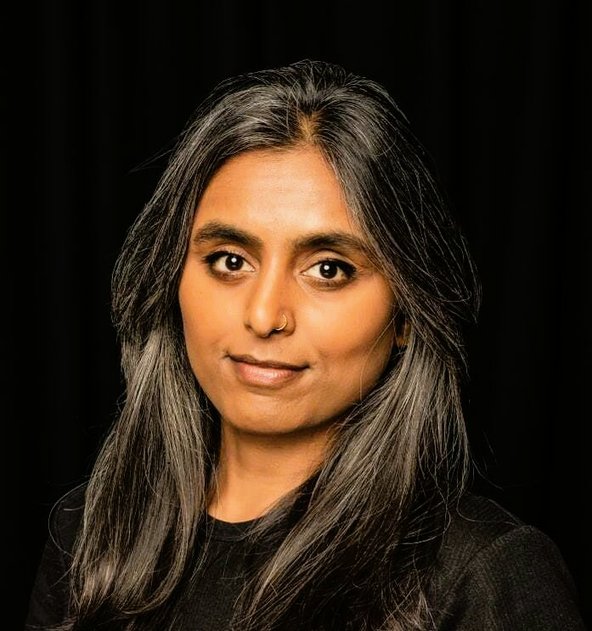
Dr Alex Lewis is Director of Research at the British Academy, she leads the delivery of the Academy’s UK and international research portfolio, ensuring the effective distribution of over £50 million in research funding annually as well as overseeing the Academy’s Early Career Researcher Network and Monitoring and Evaluation team.
Prior to working at the British Academy Alex has over 20 years’ experience working within Universities supporting research and enterprise services. She is passionate about the importance of equitable partnerships and diversity of voices in achieving maximum impact from research.
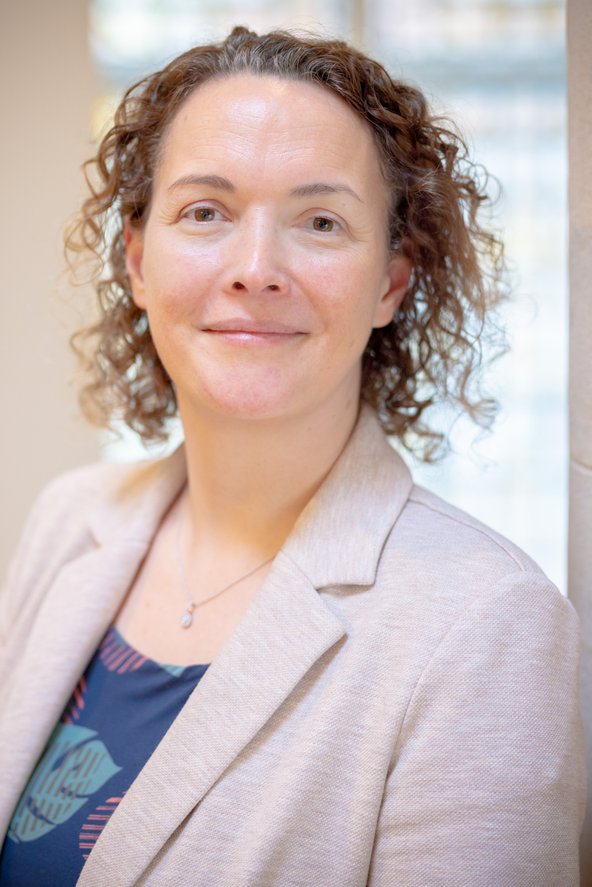
Isabella is a people-centred and purpose-driven executive leader who has enjoyed a rich and varied career that spans private, public and charitable organisations in STEM. She specialises in social impact, youth engagement, charity partnerships and humanitarian aid response with her work always grounded on a solid foundation of inclusion, diversity, equity and anti-racism. Her passion and reputation for this work saw her head-hunted by the CEO of a global FTSE 100 business where she held the role of Vice President of Education & Social Impact for 6 years, creating their award-winning social impact strategy and action plan from scratch. Over the last 15+ years, she has helped organisations to transform their cultures by leading initiatives from the heart. Isabella’s work has helped businesses and their partners to collectively reach, positively impact and empower close to 1 million people around the world, including youth, under-served groups, refugees and communities in the global south. In 2024, she founded a boutique consultancy, The IM-pact Kinship, which provides businesses with expert advice on social impact, next gen engagement, ethical leadership and anti-racism. She joined Black Researcher Consortium as part-time Executive Director in August 2025 as their compelling mission is perfectly aligned to her areas of expertise. Isabella is deeply passionate about the power of storytelling, bringing these topics and more into her signature keynote talks which she has delivered at events around the world.
How should we prepare the sector for changing political priorities?: Beatrice Webb Room 14:20-15:40
Dr Molly Morgan Jones is the Director of Policy and Engagement at The British Academy. Molly oversees all the Academy’s policy work and activities, on topics ranging from the future of the corporation, understanding cohesive societies, reframing childhood, and informing and enriching dialogue about the value of humanities and social sciences for societal productivity and prosperity. Prior to joining the Academy, Molly worked at RAND Europe, an independent policy research institute, where she specialised in research and innovation policy. Molly has also worked for the UK Department for Environment, Food and Rural Affairs (Defra) and for the U.S. Food and Drug Administration (FDA). She has a DPhil from the University of Sussex in Science and Technology Policy.
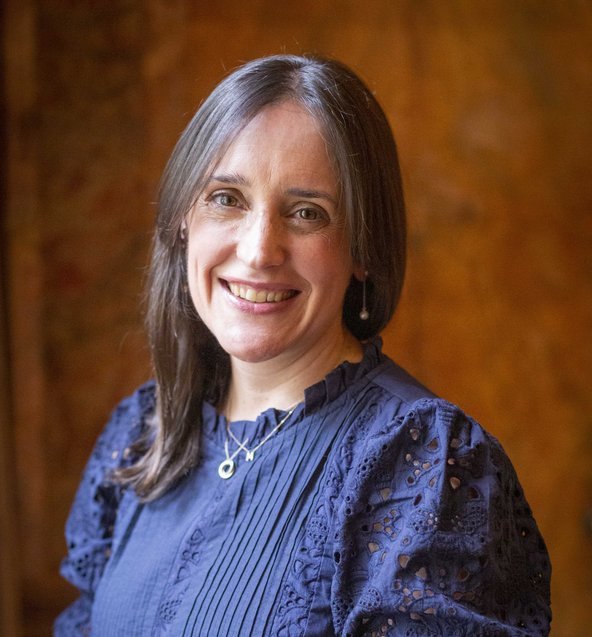
Rebecca joined CaSE in April 2022 and leads the delivery of public opinion insights for CaSE, including overseeing collection and analysis of our public attitudes research and work to directly involve public voices in CaSE’s policy processes. She previously worked in policy positions at Cancer Research UK and fact checking charity Full Fact, and before that was a journalist at publications including Research Fortnight.
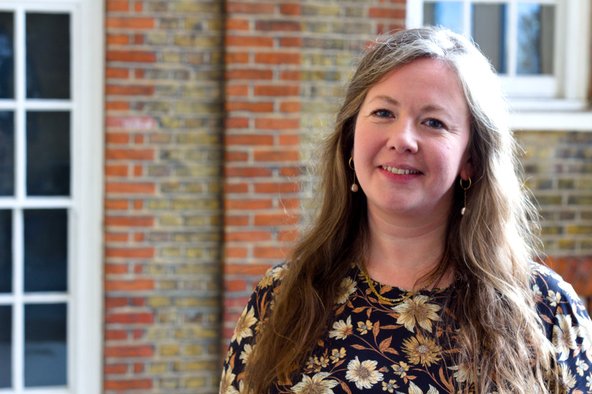
Huw Morris is an Honorary Professor of Tertiary Education at the Institute of Education, UCL’s Faculty of Education and Society where he has been working on research projects for the British Education Research Association and UKRI. Prior to this role he was Director of Skills, Higher Education and Lifelong Learning for nine years overseeing a range of reforms to the student finance system, governance arrangements for post-compulsory education and development of apprenticeships. Earlier in his career was an academic moving from the post of research assistant to lecturer, associate dean, dean and deputy vice chancellor at Imperial College, Bedfordshire, Kingston, UWE, Manchester Metropolitan and the University of Salford. He was a member of the Education sub-panel for the REF2029 and the ESRC Grant Awards Panel and is currently a trustee for the UK Research Integrity Office (UKRIO) and member of Skills England's Academic Advisory Board.
How can we build the universities of the future?: Wohl Gallery 14:20-15:40
Sarah Cowan is Head of Higher Education and Research Policy at the British Academy. With expertise in policy development, advocacy, and sector engagement, she leads a team of policy analysts and advisors to shape policies that support research, innovation, higher education and skills. Previously, Sarah led on skills policy at the National Centre for Universities and Business, collaborating with education and industry leaders to address key challenges in national skills policy.
Telling a better story: higher education and research in society: SHAPE Room 16:00-17:00
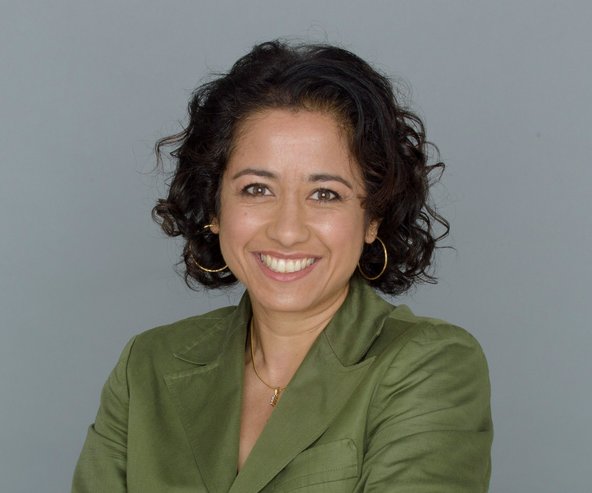
Award-winning journalist and broadcaster Samira Ahmed presents the BBC’s flagship arts show Front Row on Radio 4, and the Newswatch programme on BBC One. In 2023, she made headlines around the world for uncovering the earliest complete concert recording of the Beatles performing in the UK, at Stowe School in 1963, and helped to secure its acquisition by the British Library for the nation. She was named British Broadcasting Press Guild audio presenter of the year in 2020, the same year she won a landmark sex discrimination employment tribunal against the BBC for equal pay on Newswatch. Her acclaimed three-part BBC4 documentary series Art of Persia (2020) was one of the first major Western television series to be filmed in Iran for 40 years. Samira is a trustee of the Centre for Women’s Justice and sits on Historic England’s blue plaques advisory panel. She has served on the advisory board of the National Science and Media Museum in Bradford. Samira is an honorary fellow of St Edmund Hall, University of Oxford, and holds honorary doctorates in law, arts and social sciences from the University of East Anglia, City St George’s - University of London, Kingston University and Winchester University.
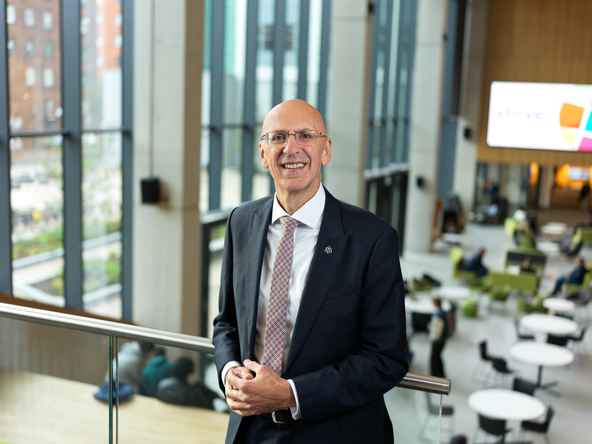
Professor Malcolm Press CBE DL is Vice-Chancellor of Manchester Metropolitan University, having previously held positions at the universities of Birmingham, Sheffield, Manchester and UCL.
Malcolm is an ecologist who has studied the impacts of climate and environmental change in northern Europe and the Arctic, the regeneration of tropical rain forests in Malaysian Borneo, and the impact of parasitic weeds on subsistence farming in sub-Saharan Africa.
Malcolm is currently a trustee of the British Council and English National Opera (ENO), and President of Universities UK (UUK).
Previously, he has served as president of his subject association, the British Ecological Society, and has also served as a trustee of UCAS, the Royal Botanic Gardens Kew, and WWF-UK, a council member of the National Trust, and a board member of the Institute for Apprenticeships & Technical Education (IfATE).
He was appointed a Commander of the Order of the British Empire in 2022 in recognition of his contributions to education.
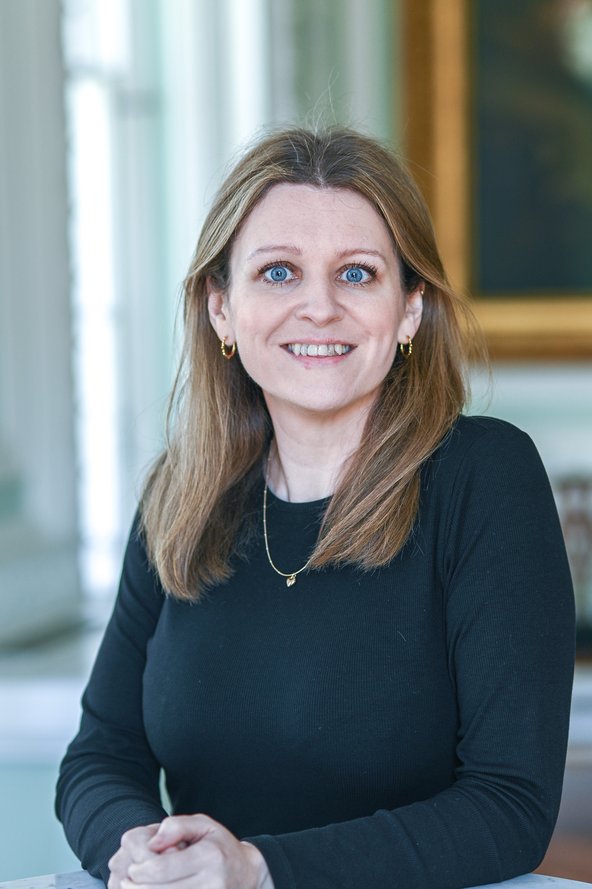
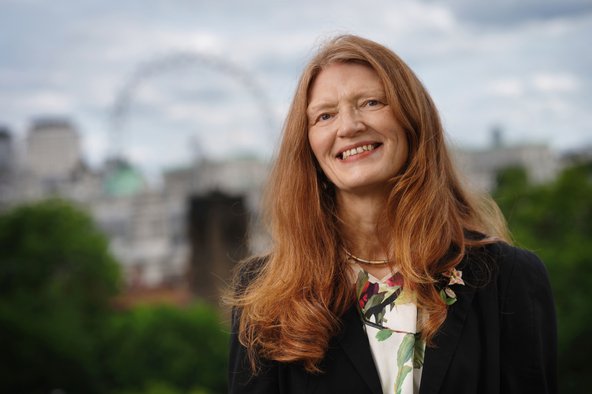
Professor Smith is the thirty-second President of the British Academy, elected in 2025. She is emerita Honorary Professor of Social and Economic Geography at the University of Cambridge where she is also a Life Fellow (formerly Mistress) at Girton College. Elected to the British Academy Fellowship in 2008, she has an international reputation for her research, both as a human geographer and in the interdisciplinary world of housing studies.
Experienced in teaching, learning, and research assessment in higher education, Professor Smith was the Ogilvie Professor of Geography at the University of Edinburgh (1990-2004) and a founding co-Director of the Institute of Advanced Study at Durham University (2004-9). At Cambridge University, as well as leading one of the larger Colleges (2009-22), she was a Trustee of Gates, Cambridge (2010-2018), a member of the University Council (2014-2018), and an external member of the Faculty of Music, where she played a key role in establishing Cambridge University’s (cross-faculty) Centre for Music Performance.
Professor Smith’s work on the links between housing, inequality, health and wellbeing has been funded by research councils, public bodies and charitable trusts. She held an ESRC Professorial Fellowship (2005-7), gave the Tanner Lectures on Human Values (2010), and is a member of the Royal Geographical Society which awarded her the Victoria Medal in 2014. Over the years, she has enjoyed a variety of visiting positions internationally, for example at the European University Institute, the Rockefeller Foundation Bellagio Centre, and at RMIT and Curtin Universities in Australia.
Sign up to our email newsletters
Join our mailing list to explore the ideas and impact of the British Academy. Get updates on research, funding, policy, international collaborations, and events that bring the humanities and social sciences to life.