Professor Richard Hunter FBA
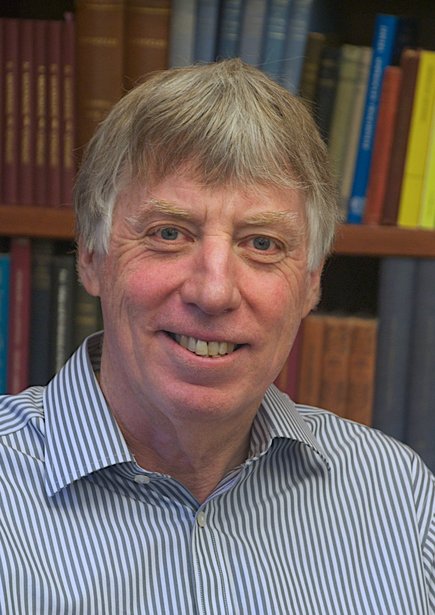
- Fellow type
- UK Fellow
- Year elected
- 2013
- Subjects
- Classics
- Sections
- Classical Antiquity
Summary
Richard Hunter graduated from the University of Sydney and took his PhD at the University of Cambridge, where he has been employed since 1977; since 2001 he has been Regius Professor of Greek. His principal interests are Greek literature of the post-classical period, the reception of Greek literature in Rome, ancient literary criticism, and the intersection of philosophical and literary traditions in antiquity. He is the author of some twenty monographs, is an Editor of Cambridge Greek and Latin Classics and Cambridge Classical Studies, and has been Editor of the Journal of Hellenic Studies. He has been Head of the School of Arts and Humanities at Cambridge and twice been Chair of the Faculty of Classics.
Current post
University of Cambridge Regius Professor of Greek
Trinity College, Cambridge Fellow
Other Fellows of the British Academy
Professor Judith Lieu FBA
The New Testament, in particular the Johannine literature; early Christianity, its literature and thought, in the Graeco-Roman and Jewish first- and second-century contexts

Professor Andrew Wallace-Hadrill FBA
Latin Language and Literature History of Rome, Italy and the Roman Provinces Art and Archaeology of Rome, Italy and the Roman Provinces Classical Art and Archaeology Southern Europe