The Celtic warrior: violent assemblages in the Iron Age of Britain
Wed 3 Jun 2026
- Event series
- The British Academy Lectures
Delivered by the most outstanding academics in the UK and beyond, the British Academy’s flagship Lecture programme showcases the very best scholarship in the humanities and social sciences. This event is part of the Albert Reckitt Archaeological Lectures on archaeological research, first delivered in 1951.
About the event
Popular understandings of the Celtic Iron Age are dominated by violence: moustachioed warriors, noble in defeat or war-crazed charioteers, brandishing swords and shields. All too often these images are drawn from the classical world, serving their own ends: justifying the colonisation of what the Romans saw as bloodthirsty martial races, and promising order and prosperity through the Pax Romana. These images and stories matter not just because they continued to shape stereotypes of Celtic nations in later centuries but because archaeological evidence forms the evidence-base used by historians, sociologists and philosophers to shed light on the nature of humanity itself and the degree to which violence is an innate part of our nature, certain groups of people or particular forms of society.
This lecture tackles the stereotype of the Celtic warrior with archaeological evidence. In analyses the character, frequency and consequences of conflict-related trauma in British Iron Age society, arguing that this varied between regions and across the centuries, especially as the threat of Rome became a reality. It follows life stories to look at the identity of those wielding and wounded by the astonishing weaponry of the period. Decorated with Celtic art, it suggests these objects were not just functional blades but weapons of psychological intimidation and apotropaic protection, which inspired bravura and daring. This allows us to reconfigure the role of objects like the shield and carnyx, and the astonishing chariots of the period, as offensive weapons in their own right: built for show, shock and speed. From Iron Age swords made with whalebone pommels, to bronze-faced shields, boar-headed carnyces and coral-encrusted chariot gear, the talk will showcase some of the most astonishing Iron Age discoveries made in the last few years in the British Isles. Yet it will also foreground the overlooked weaponry of the era: slingshots, bone spearpoints, and shields made of bark and bast, identifying the injuries that these more humble objects could inflict. It will also champion the importance of non-human companions – the pony and the dog – in bellicose displays, smuggled as zoomorphic motifs into otherwise abstract Celtic, which help us ‘see’ their concepts of strength, vitality and power in new ways. Finally, it will think through the landscapes and architecture in which violence unfolded.
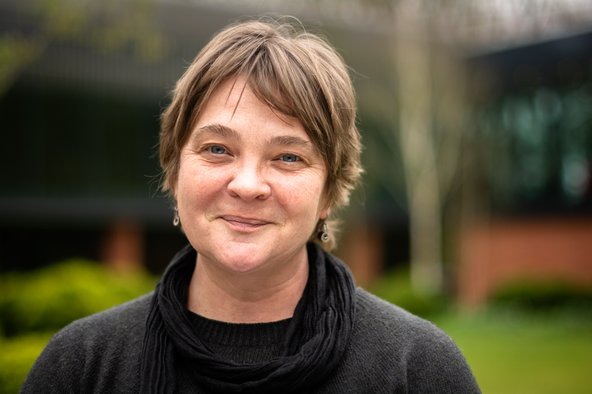
Speaker
Professor Melanie Giles FBA is an archaeologist and author, specialising in British prehistory and the Iron Age. She is known for her work on funerary archaeology, including books on Iron Age burial, Bog Bodies and Grave Goods. She works extensively with museums and schools, collaborating with creative practitioners to find inspiring ways to tell important stories from the past which enhance knowledge, connect people with the places they live in, and open up important conversations around life and death in the present.
Chair
Professor Mark Gillings, University of Bristol
Organised in partnership with: