Domesticating grasslands or wetlands: two neolithic styles of landscape and productivity in China
Wed 11 Mar 2026
- Venue
- NEW LT5, Newton Building, 10 Goldsmith Street, Nottingham, NG1 4BU
- Event series
- The British Academy Lectures
Delivered by the most outstanding academics in the UK and beyond, the British Academy’s flagship Lecture programme showcases the very best scholarship in the humanities and social sciences. This event is part of the Elsley Zeitlyn Lectures on Chinese Archaeology and Culture series.
About the event
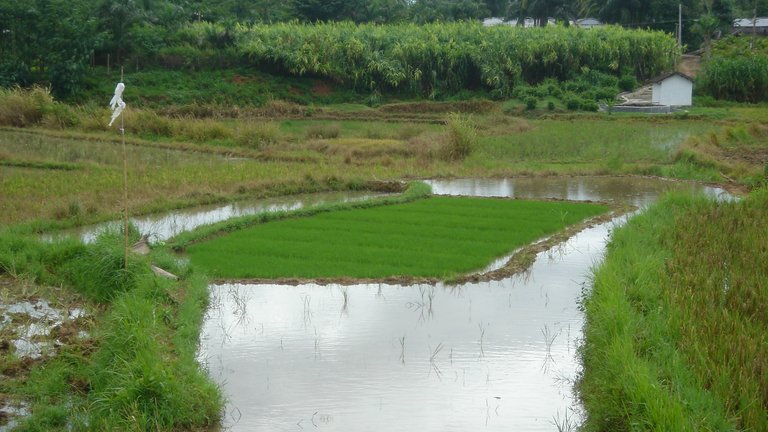
In Neolithic China, two very different agricultural worlds began to take shape. In the north, hardy dry steppe millets dominated, while in the south, lush wetland rice fields flourished. These crops shaped not just the landscape, but the way people lived.
Wetland rice offered reliable high yields, supporting the rise of sedentary communities, dense populations, and farming that required more labour over generations. Northern millets, on the other hand, produced lower yields, encouraging mobility, diverse cropping strategies, and the expansion of farmland across the landscape. The crops people chose did not just feed them they shaped their societies.

Speaker
Professor Dorian Fuller, Professor of Archaeobotany and joint Director of the International Centre for Chinese Heritage and Archaeology, University College London.
Dorian Fuller teaches at UCL (2000-), after a PhD from Cambridge (1999) and BA from Yale University (1995). His fieldwork has included projects in India, Sri Lanka, Sudan, Ethiopia, Morocco, Turkey, Iraq, Myanmar and China. His research documents plant domestication processes, past agricultural ecologies and cooking practices. He has published over 400 papers.
Chair
Professor Richard Emes, Pro Vice-Chancellor Research & International, Nottingham Trent University
Image credit: Professor Dorian Fuller
In partnership with