
Tagged content

Editorial, British Academy Review, Summer 2017

Welcome to this Summer 2017 issue of the British Academy Review.

Moving ideas: The British School at Rome, 2009-2017

Christopher Smith reveals how the movement of people and ideas across the centuries has been studied through the work of the BSR.

The birth of Brazilian Amazonian cultures

Mark Harris looks back to the 17th century to find the origins of societies along the Amazon.

Paul Langford's polite and commercial Englishmen

This extract from Paul Slack’s extended obituary of Paul Langford (1945–2015) discusses his two books that redefined 18th-century England.

A vibrant, cosmopolitan and competitive research community

The British Academy’s Chief Executive, Alun Evans, picks out some highlights of the year 2016–17.

Hermione Lee: interview

Hermione Lee talks about enthusing readers, and bad behaviour in biography.

Understanding and changing: Care in enquiry and seriousness about values

Nicholas Stern reflects on his four years as President of the British Academy.

Looking back at ‘The next thirty years’

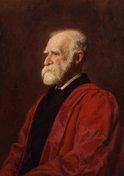
Stefan Collini revisits Lord Bryce’s Presidential Address of 1917.
Genetic research in mestizo nations

Peter Wade reveals the temptation to read too much into genetic data in Latin American countries.

Colin Mayer: interview

Colin Mayer on teaching business, and trying to influence the future of the corporation.

British Academy Review, No. 30, Summer 2017

Includes: Colin Mayer on making business fit for purpose. Nicholas Stern on understanding change. Hermione Lee on bad behaviour in biography. Stefan Collini on the vision of James Bryce. The hype about ‘neural plasticity’. The different portrayals of India.

The Victorians and French novels

Juliette Atkinson introduces us to the Victorians’ conflicted relationship with the French novel.

Sign up to our email newsletters

Join our mailing list to explore the ideas and impact of the British Academy. Get updates on research, funding, policy, international collaborations, and events that bring the humanities and social sciences to life.