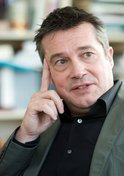
Professor David Runciman FBA
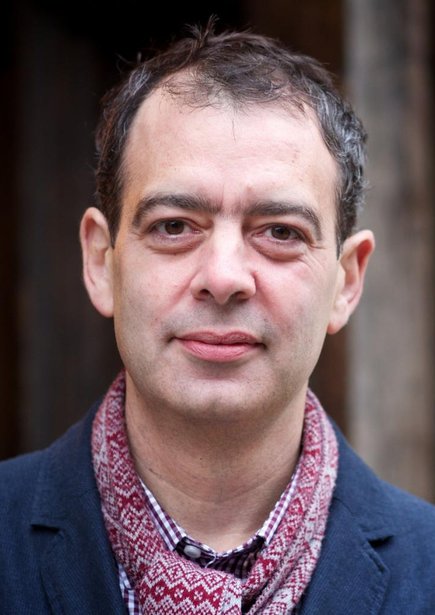
- Fellow type
- UK Fellow
- Year elected
- 2018
- Subjects
- Politics
Current post
Professor of Politics, University of Cambridge
Other Fellows of the British Academy
Professor Duncan Bell FBA
British and American political thought, c.1870-present, with a focus on empire and international relations; contemporary international political theory; the politics of memory; political aesthetics, especially architecture and speculative literature

Professor Elizabeth Anderson FBA
Egalitarianism in history and the present, particularly with respect to labour, race and gender; social and moral epistemology, values in social science, pragmatism

Professor Dr Rainer Forst FBA
Moral philosophy (especially Kantian theories, constructivism); political theory (especially theories of justice, democracy, toleration and power); critical theory of society (especially theories of critique)