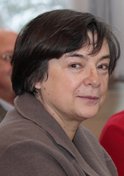
Professor David Luscombe FBA
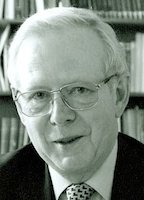
- Fellow type
- UK Fellow
- Year elected
- 1986
- Year of birth
- 1938
- Year of death
- 2021
- Subjects
- Medieval studies, Religion
- Sections
- Theology and Religious Studies , Medieval Studies
Summary
David Luscombe's main academic interests were in the history of medieval thought and religion. His later work focused on bringing together and revising his earlier studies of the evolution of medieval conceptions of hierarchy and producing further studies, with editions of texts, of the making of collections of sentences in twelfth-century schools.
Last post
Emeritus Professor of Medieval History, The University of Sheffield
Past appointments
The University of Sheffield Emeritus Professor of Medieval History, The University of Sheffield
2003 -
The University of Sheffield Emeritus Professor of Medieval History, The University of Sheffield
2003 -
The University of Sheffield Research Professor of Medieval History, The University of Sheffield
1984 - 2004
The University of Sheffield Research Professor of Medieval History, The University of Sheffield
1984 - 2004
The University of Sheffield Professor of Medieval History
1972 -
The University of Sheffield Professor of Medieval History
1972 -
Publications
Other Fellows of the British Academy
Dr Jean Dunbabin FBA
French history from 1000 - 1350; the French in the kingdom of Sicily, 1266-1309; the political ideas of Godfrey of Viterbo; the sires de Beaujeu, 950-1350

Professor Sacha Stern FBA
Ancient and early medieval Jewish history; rabbinic literature; ancient and medieval time reckoning and calendars.

Professor Dr Claudia Märtl FBA
The history of medieval Central Europe; the transmission of medieval texts in Latin; the diffusion of humanism; the history of the papacy and the Roman curia in the Renaissance